When you click on links to various merchants on this site and make a purchase, this can result in this site earning a commission. Affiliate programs and affiliations include, but are not limited to, the eBay Partner Network.
You are correct about the switch operation but need to understand the pressures better.
The "official name" for this feature is "hysteresis". It means that there's a sort of deadband in between the On and Off points. This is quite common and usual in all kinds of things, for a number of reasons; not the least of which is, it eliminates the tendency of the thing to "hunt" when it's near its set point. Even mechanical things are designed this way sometimes.
Yes the low-pressure cutoff cuts off at around 28, and comes back on at 45. No this does not require over-charging. When the compressor is not operating, the pressure in the entire system goes to whatever the vapor pressure of the refrigerant is, at whatever temperature it's at; typically something in the 80 - 120 psi kind of range. Then when the compressor runs, its job is to take refrigerant from the low side resulting in lower pressure there, compress it, and put it into the high side, resulting in higher pressure there, so that it's forced to flow through the orifice. Correct operating pressures vary widely depending on ambient temp, humidity, and engine (compressor) RPM; but should generally be around 30 - 45 or so on the low side, and 200 - 350 on the high side. Under "typical" average US summertime conditions, let's say 85° ambient temp and 75% RH, and at cruising speed air flow through the condenser and compressor RPM, I'd expect to see around 35 - 40 low and about 250 high.
The vapor pressure in the system, i.e. the pressure when the compressor is not running, is a chemical property of the gas, and is almost entirely independent of the charge level. That is, it takes only a VERY little of it being in there, to make the system reach 90 psi on a warm day. Then it almost doesn't matter how much you put in, it stays pretty much at 90. Measure the pressure in a full cylinder and you'll see what I mean. When the compressor IS running though, in an undercharged system the low side pressure will RAPIDLY drop, and the cutoff switch will open; the pressures will begin to re-equalize as refrigerant flows through the orifice back into the low side; and before long it will exceed 45 psi again, at which point the compressor will be turned on. repeating the cycle.
Without the hysteresis the switch would cycle very rapidly at its trip point instead of waiting a period of seconds between each change of state.
At idle, sitting still, there is usually higher pressure on the low side since the compressor isn't working as hard taking refrigerant out of it. Pressure on the high side might be either lower or higher, depending on how much air flow there is through the condenser, which is a property of the fan.
Last edited by sofakingdom; Jul 29, 2017 at 08:53 AM.
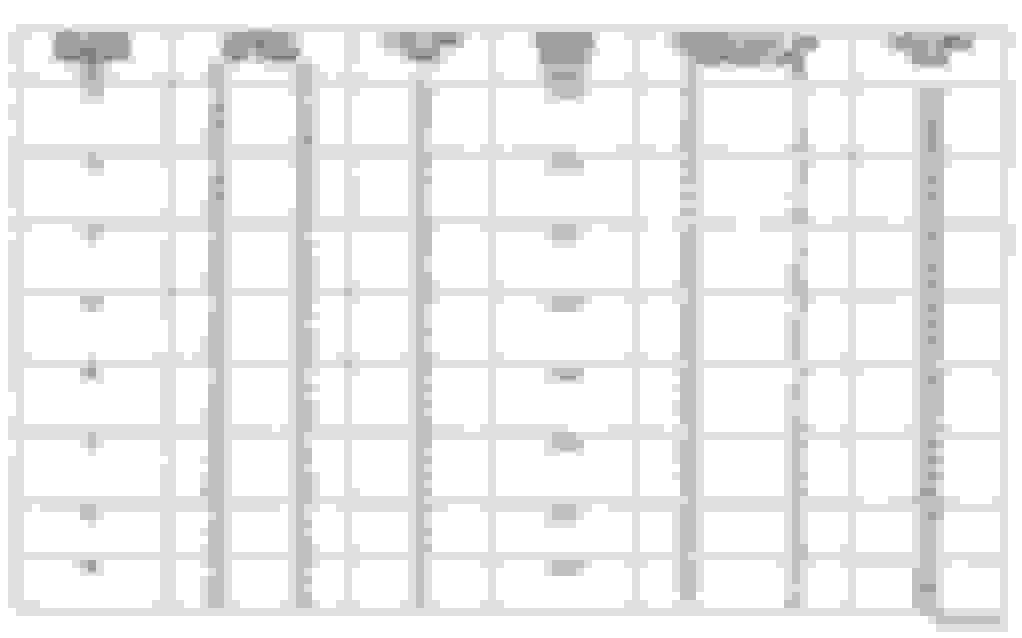
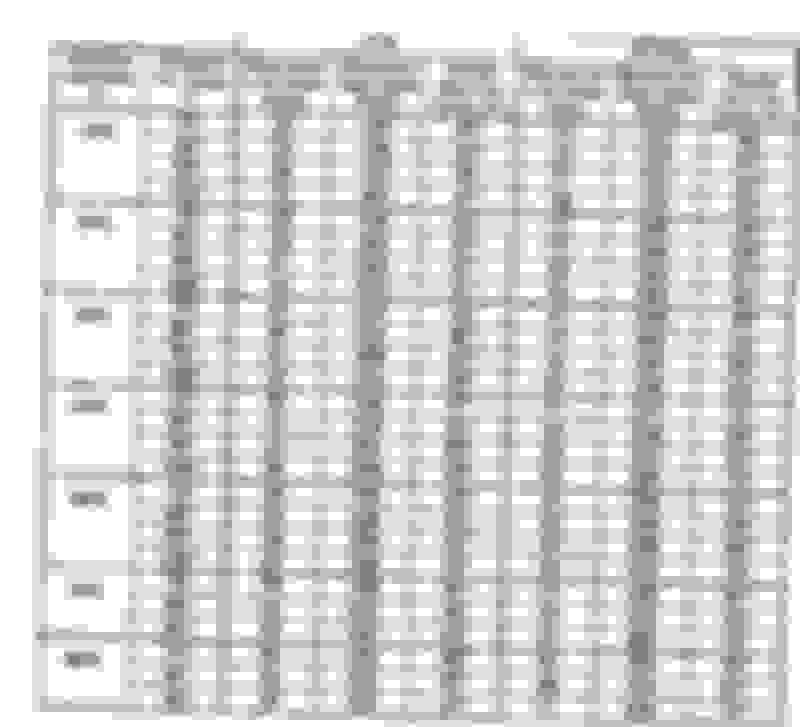
Thank you, I have another question. I found this chart online, for r12 and r134.
The r12 side seems to line up with the service manual chart, but I dont know if the r134 side is accurate.
So with R134 on a 100 degree day with 50% humidity the high cut off switch would open. The Compressor would shut off, the system pressure would go back down to its 80 - 120 psi, which would allow the switch to close.
So the compressor would be cycling on and off frequently. Is there a way to adjust the high pressure switch to a higher than 430, or would that damage the compressor.
AFAIK those switches aren't "adjustable"... no real need for that.
Also AFAIK the A6 compressor isn't real happy with super high pressures. Wasn't designed for that. Prolly not a good idea to raise the HP cutoff limit, either by "adjusting" or by just replacing with a higher pressure one; since running it that way is likely to dramatically shorten the compressor lifetime.
The HP sw needs to see pressure below 200 psi to close again and allow the compressor to come back on.
No idea about how "accurate" that chart is, really; but it seems to more or less pass the smell test at least.