When you click on links to various merchants on this site and make a purchase, this can result in this site earning a commission. Affiliate programs and affiliations include, but are not limited to, the eBay Partner Network.
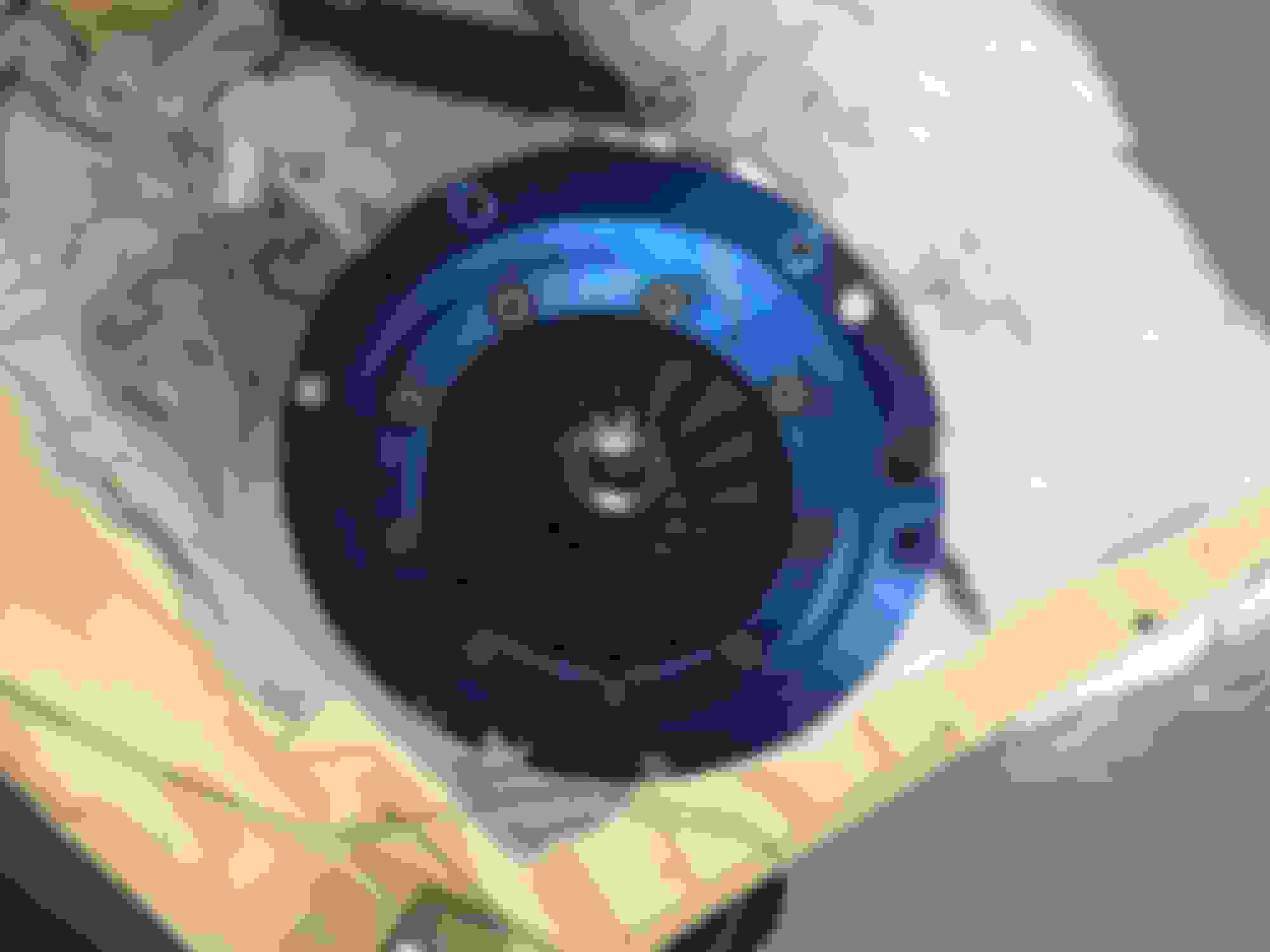
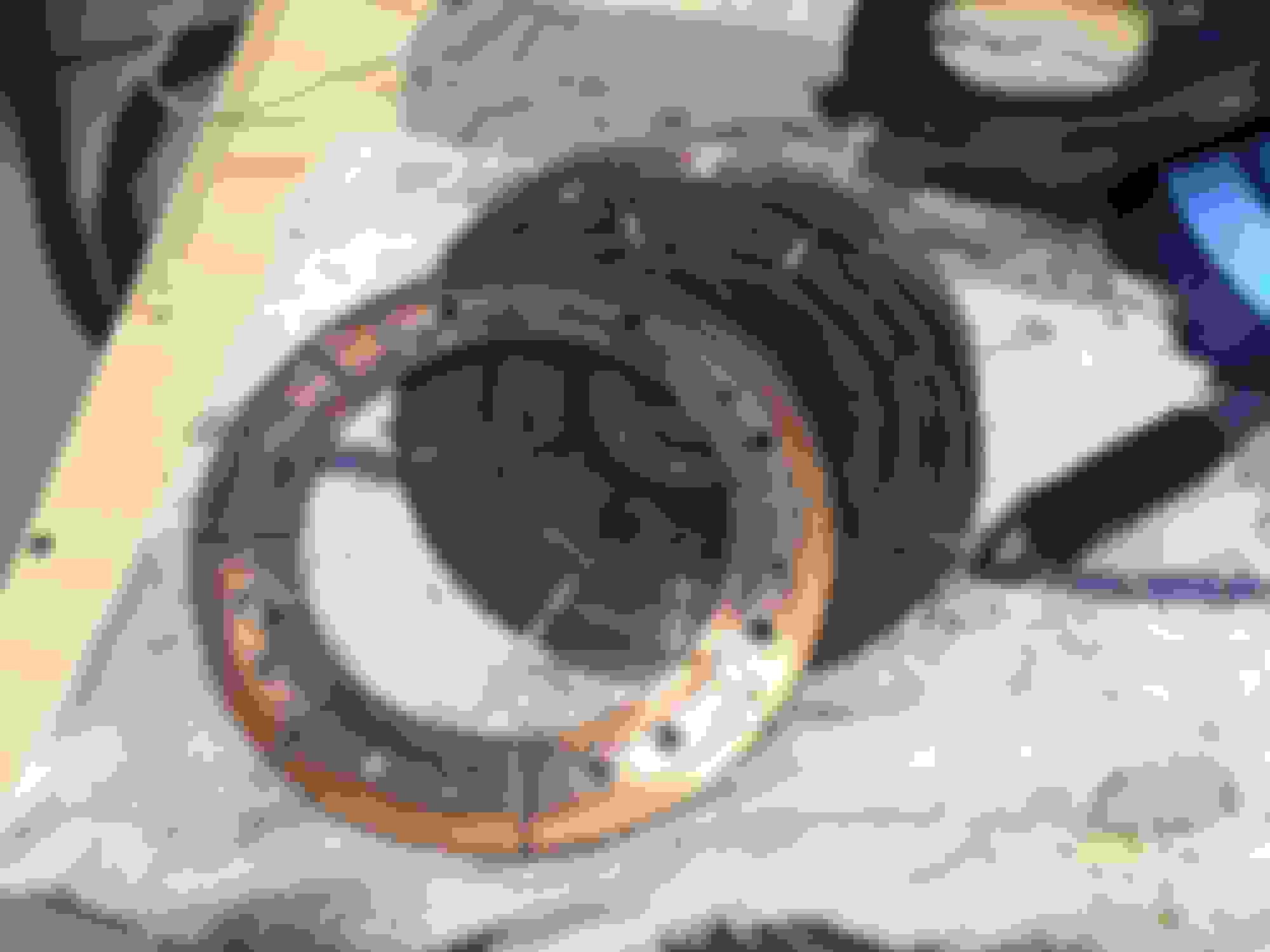
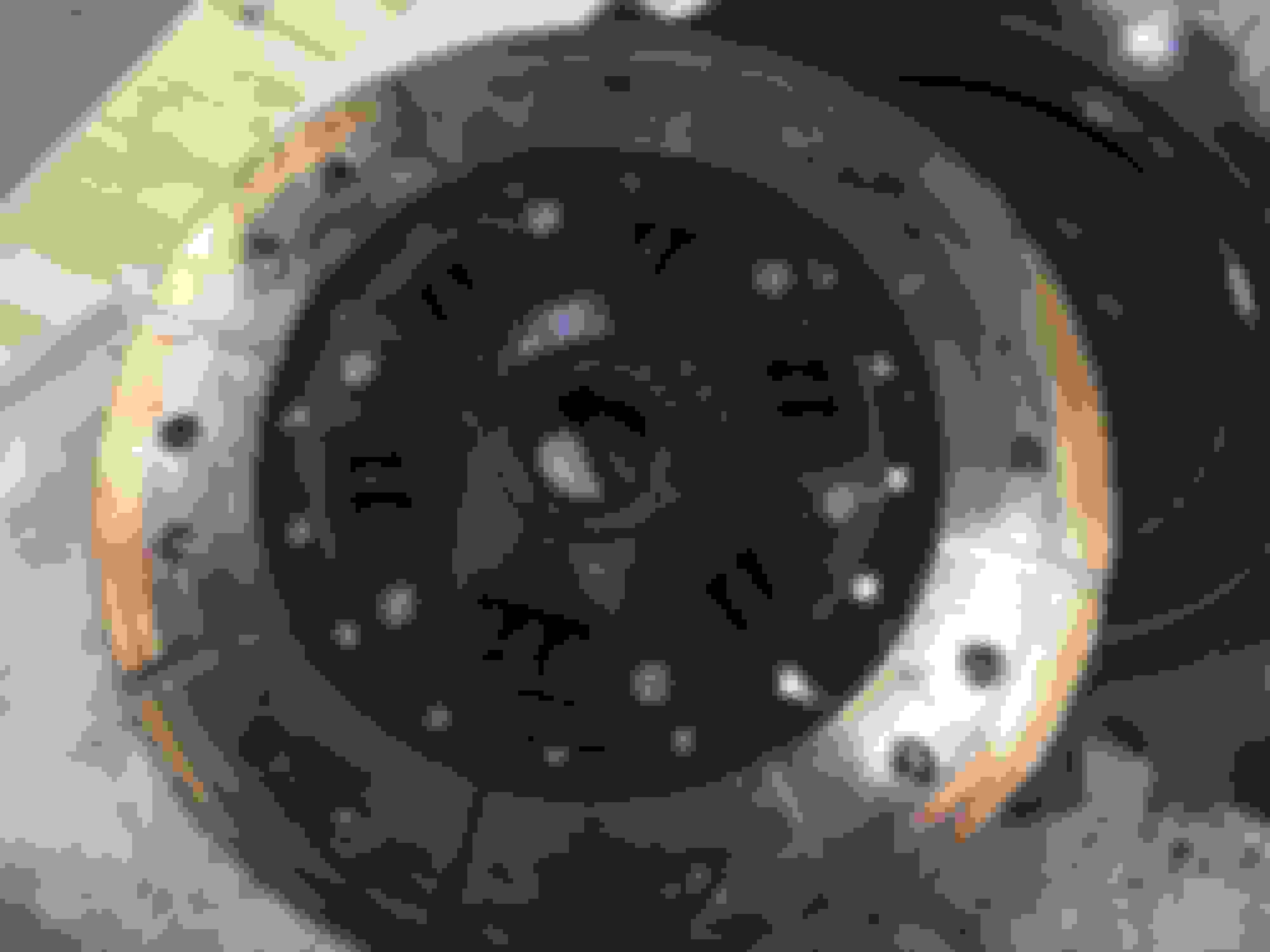
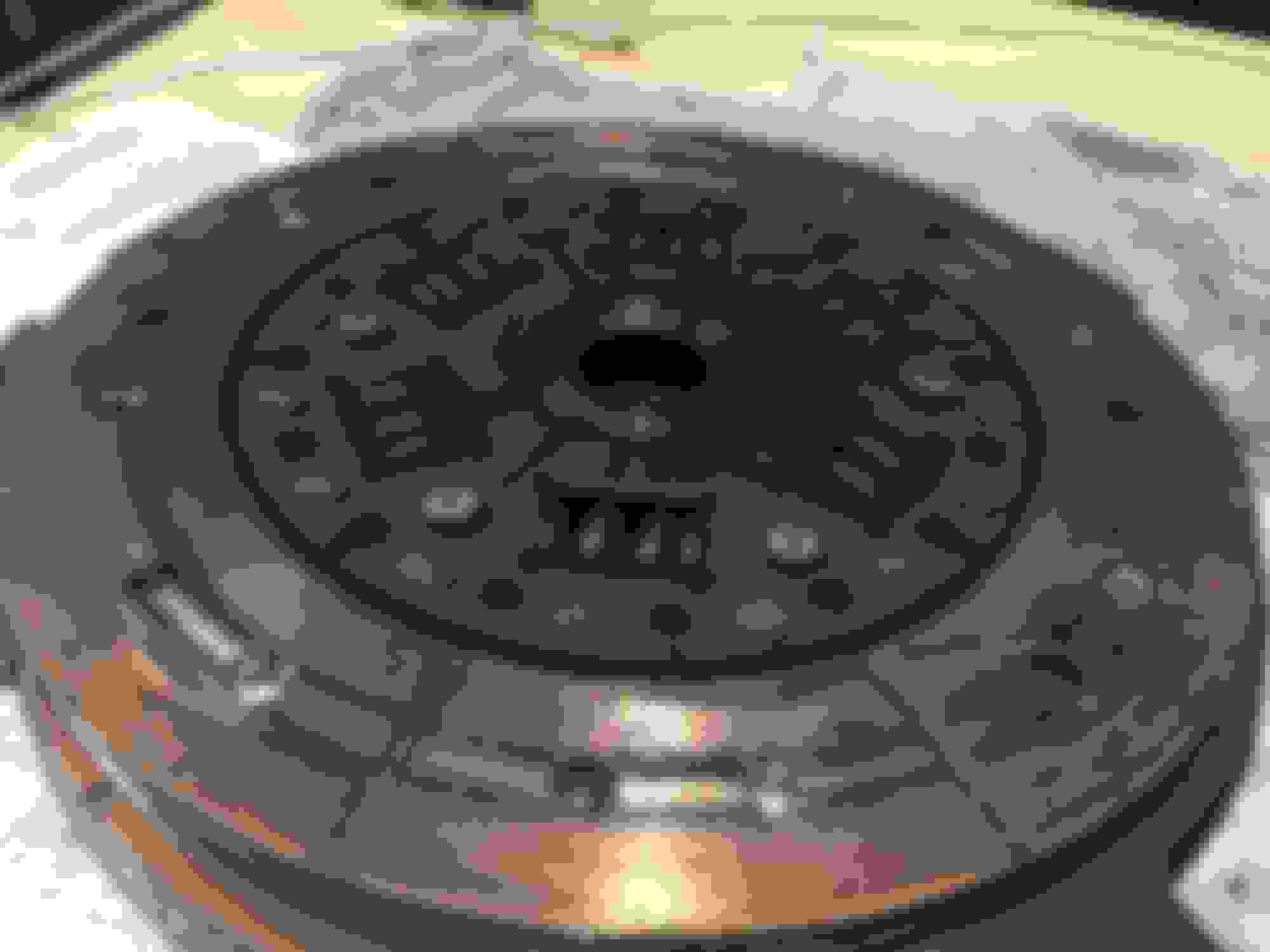
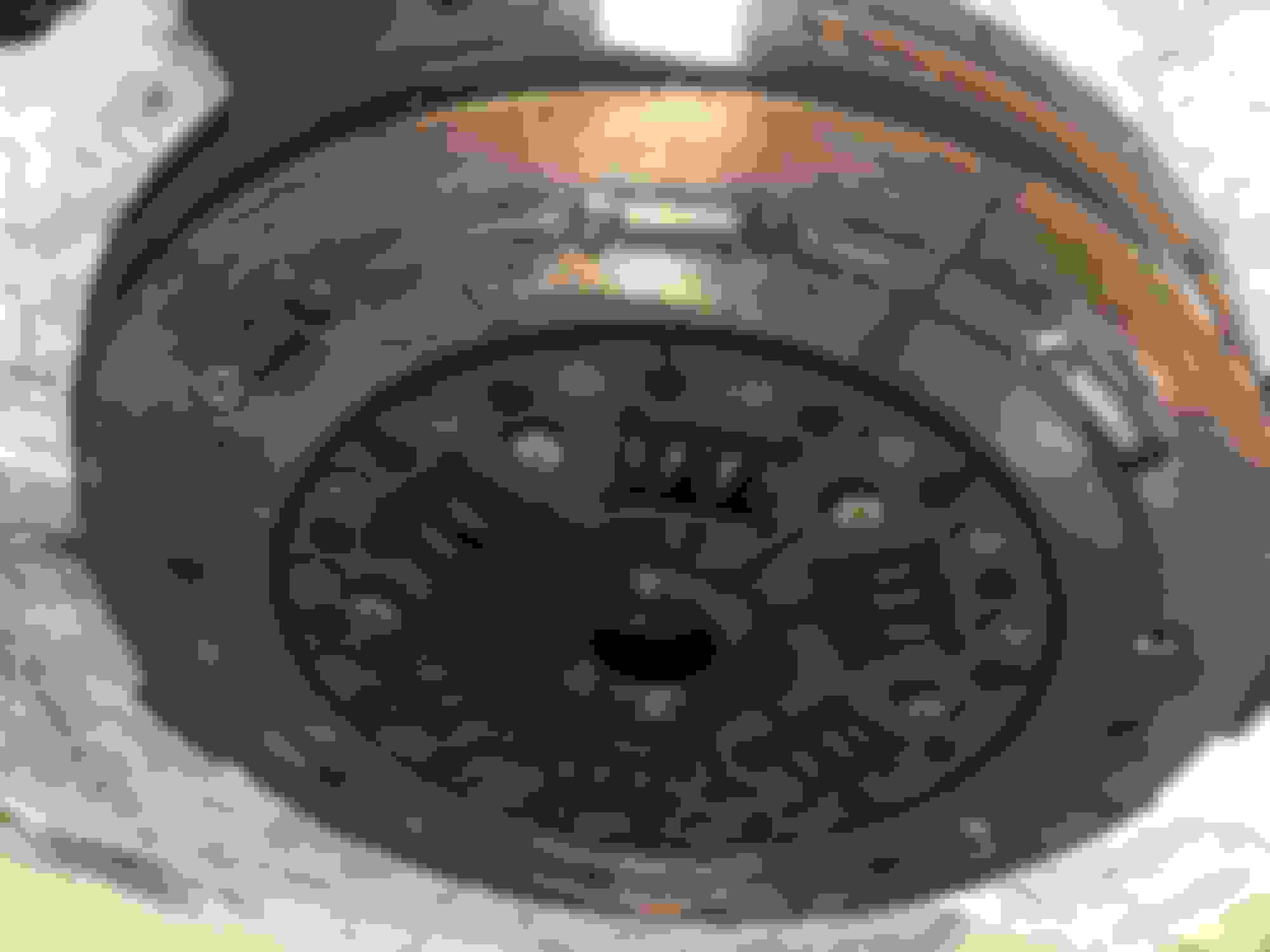
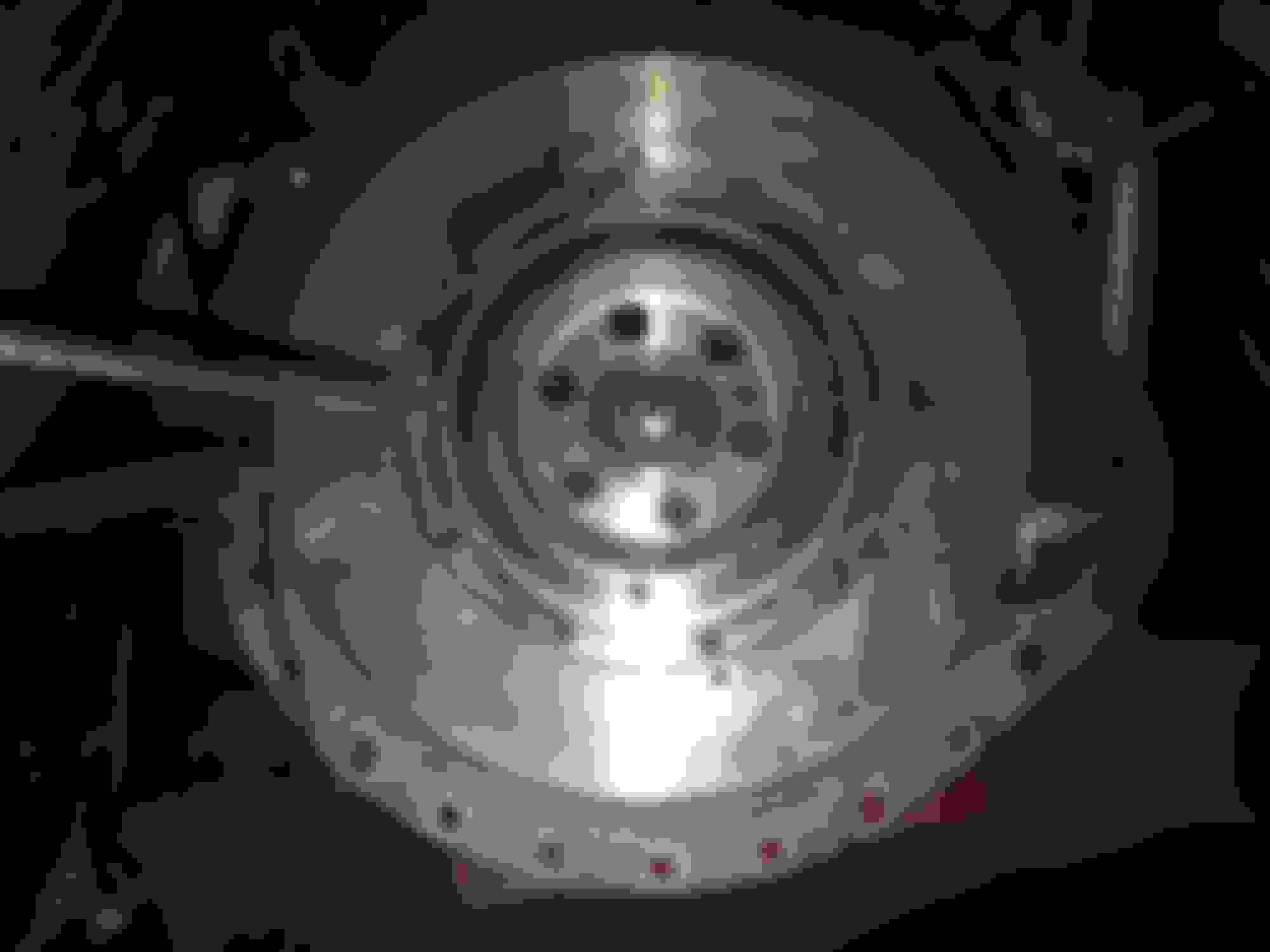
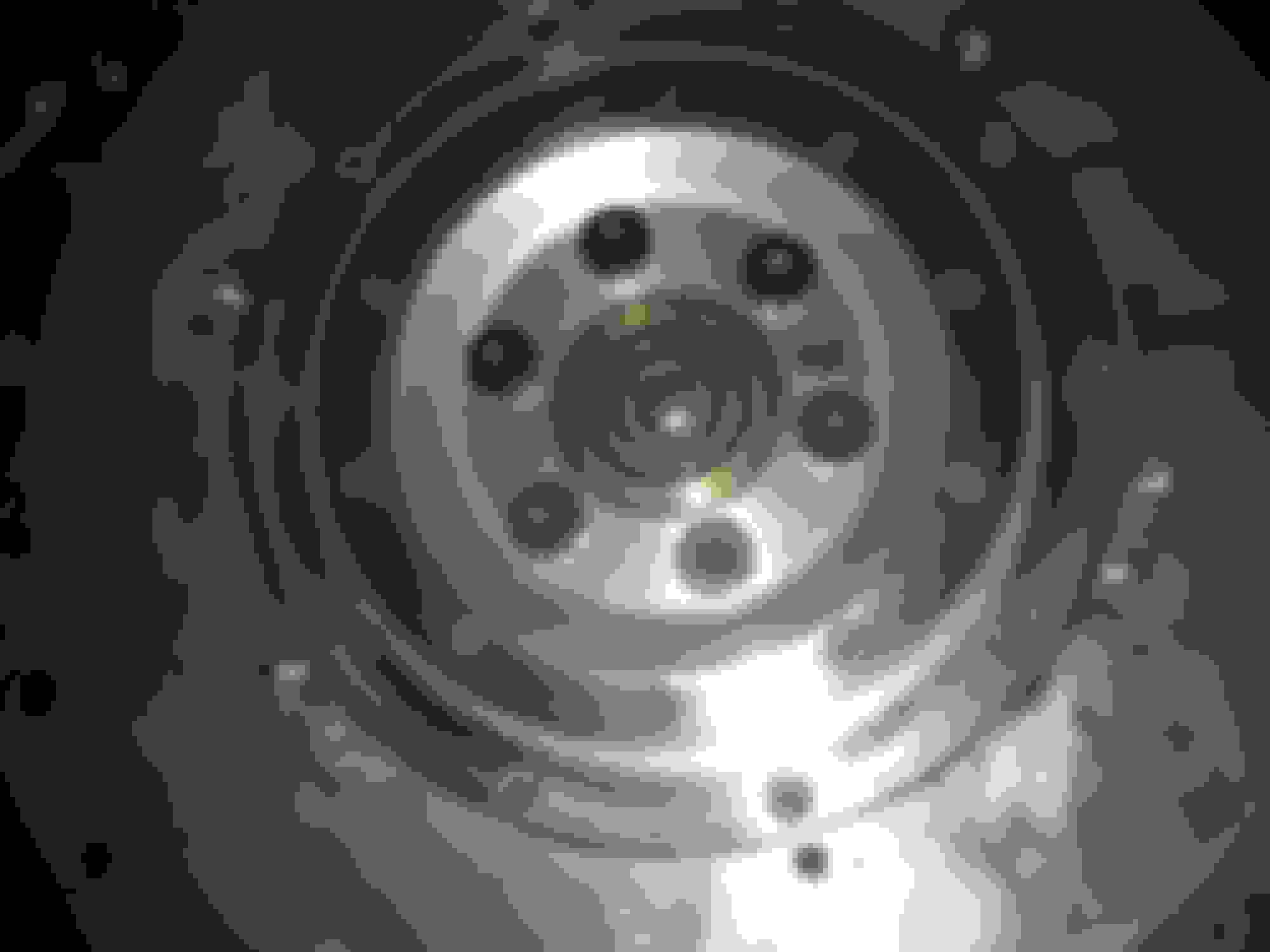
Any theories as to what caused this? I'm at a (rare) loss for ideas.
Nothing else was out of place. T/O was new, in good shape, and functioning. Clutch only had 1500 miles on it with almost no abuse other than 3 (fairly mild and successful) passes at the track, but that was last year. Just been putting around on the street since then.
Is that a solid hub disc (that lost both friction sides due rivet failure), and a sprung hub on the other?
If so, a good example of NVH every has to go somewhere.
Yes, but it's a pretty odd way for that to fail ... there was no damage to anything except the friction material rivets. The center rivets and other fasteners are all completely normal.
Yes, but it's a pretty odd way for that to fail ... there was no damage to anything except the friction material rivets. The center rivets and other fasteners are all completely normal.
Yes, and no. A solid hub disc is always going to have issues that will show first compared to a sprung hub because the energy hits more directly. Same basic logic with a manual trans. car being harder on a rear diff. than an auto car.
I want a clutch that wears evenly and is worn out when it is worn out. Not most parts living, and a select few failing. Running a solid and a sprung is a pretty guaranteed way to isolate failure to one disc ahead of the other.
Once you're floating frictions a tiny bit, the rivets are going to shear a little bit at a time, and the energy usually taken up by a sprung hub will be absorbed by the floating friction on bad rivets. That is what made them appear uniquely failure prone vs. the other disc.
The reason you are probably spot on with the damage being isolated, and not apparently in any of the other rivets may be in junk rivets, but the other disc had built in protection.
Out of curiosity, were both discs entirely marcel-free?
Yes, and no. A solid hub disc is always going to have issues that will show first compared to a sprung hub because the energy hits more directly. Same basic logic with a manual trans. car being harder on a rear diff. than an auto car.
I want a clutch that wears evenly and is worn out when it is worn out. Not most parts living, and a select few failing. Running a solid and a sprung is a pretty guaranteed way to isolate failure to one disc ahead of the other.
Once you're floating frictions a tiny bit, the rivets are going to shear a little bit at a time, and the energy usually taken up by a sprung hub will be absorbed by the floating friction on bad rivets. That is what made them appear uniquely failure prone vs. the other disc.
The reason you are probably spot on with the damage being isolated, and not apparently in any of the other rivets may be in junk rivets, but the other disc had built in protection.
Out of curiosity, were both discs entirely marcel-free?
Yes. I don't think I've ever had a clutch in this car that had Marcels in it, if I can recall correctly.
Yeah, Spec already sent me an RMA, just gotta get it shipped back. They sound like they're going to take care of it.
One of the reasons I've stuck with Spec all these years, besides the fact that they've generally worked very well ... On the two occasions I had any kind of an issue, they handled it, politely, with no fighting about it. Which, is not exactly par for the course in the performance aftermarket.