When you click on links to various merchants on this site and make a purchase, this can result in this site earning a commission. Affiliate programs and affiliations include, but are not limited to, the eBay Partner Network.
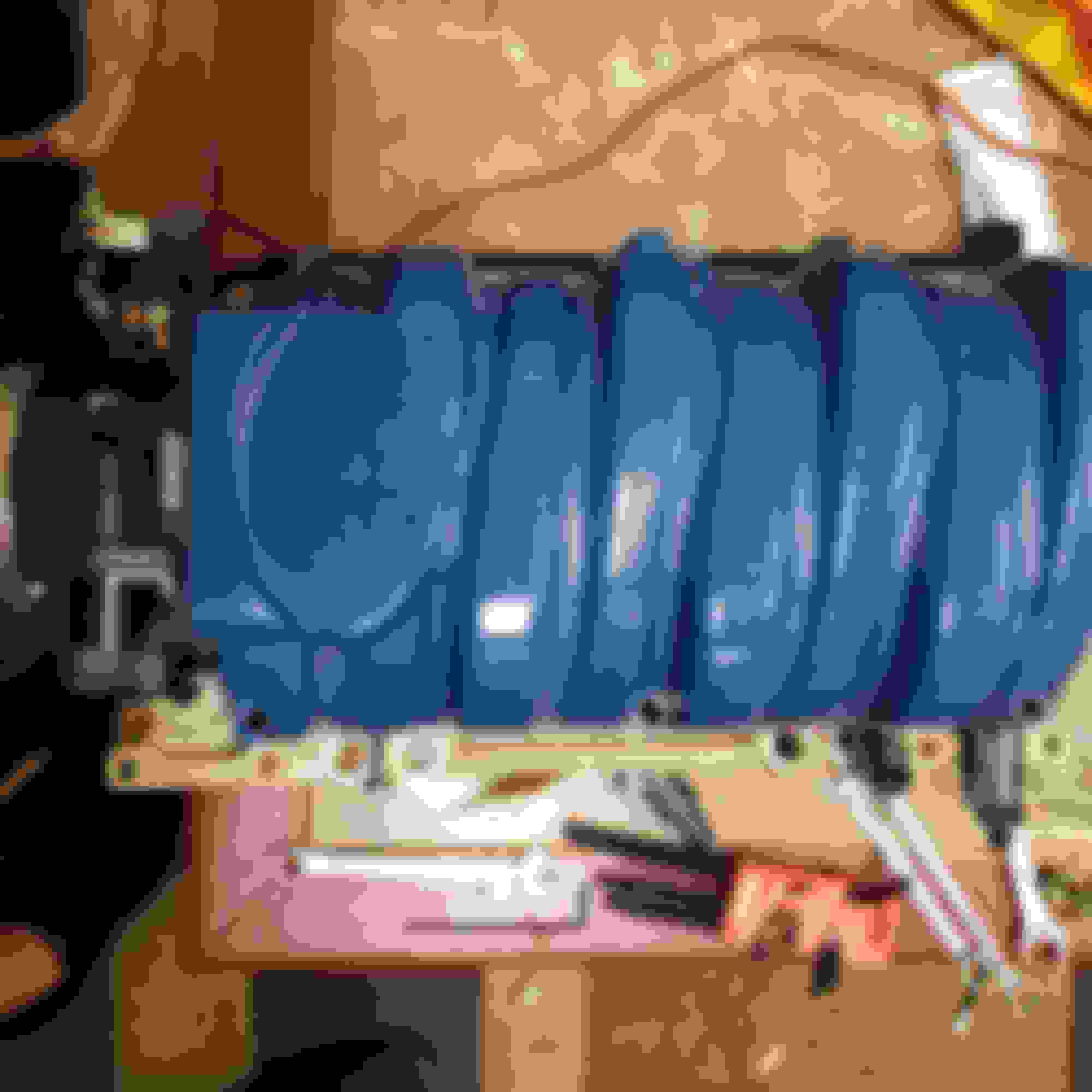
Never seen that intake, I like the LSx look to it.
Same lower manifold was sold formerly as the Street & Performance TPI intake. I have 2 upper plenums for that manifold. One with dual 58MM TPI like openings and a 90MM 4-bolt LS throttle body.
I have that same intake as well with the 90mm 4-bolt LS style lid. I have messed around with injection timing changes on multiple setups. I have yet to see it make any real difference on any setup except in idle and low load, part throttle drivability. WOT it made ZERO change for me after adjusting the AFR to match what it was. I have run them with the Boundary as low as 5.5 and as high as 7.5. I have found setting for 6.5 boundary and a 6.3 Normal/Makeup warmed up has worked well on numerous setups. 6.5 boundary is BDC on the intake stroke for reference. I have used the same value as the boundary to as much as 1.0 difference in the Normal and Makeup tables. Would love to hear what the magic formula is there to gain nearly 60 ft/lbs from injection timing because I have just not even seen a 10 ft/lb difference on anything with a huge range of change in the adjustments and that was easily brought back tp the baseline value adjusting the fueling for the change that the injection timing made. Over 6.5 on the Boundary tends to cause a massive lean tip-in as well while the calculators show I should be over 7.5 with my cam profile. I am not calling you a liar by any means but I want to know how you realized those gains and take another stab at it myself if it in fact made that much of a difference. I feel like it maybe so numb to change on the setups I have tested it on because the duty cycle on the ones I have tested is fairly high, in the 60-75% range. Past 3,000-3,500 rpm the duty cycle pushes the injection timing values into the overlap period anyway. Idle and low load I have seen it shift fueling 10-15% or even more optimizing the values to deliver the target air/fuel ratio on the least amount of fuel though.
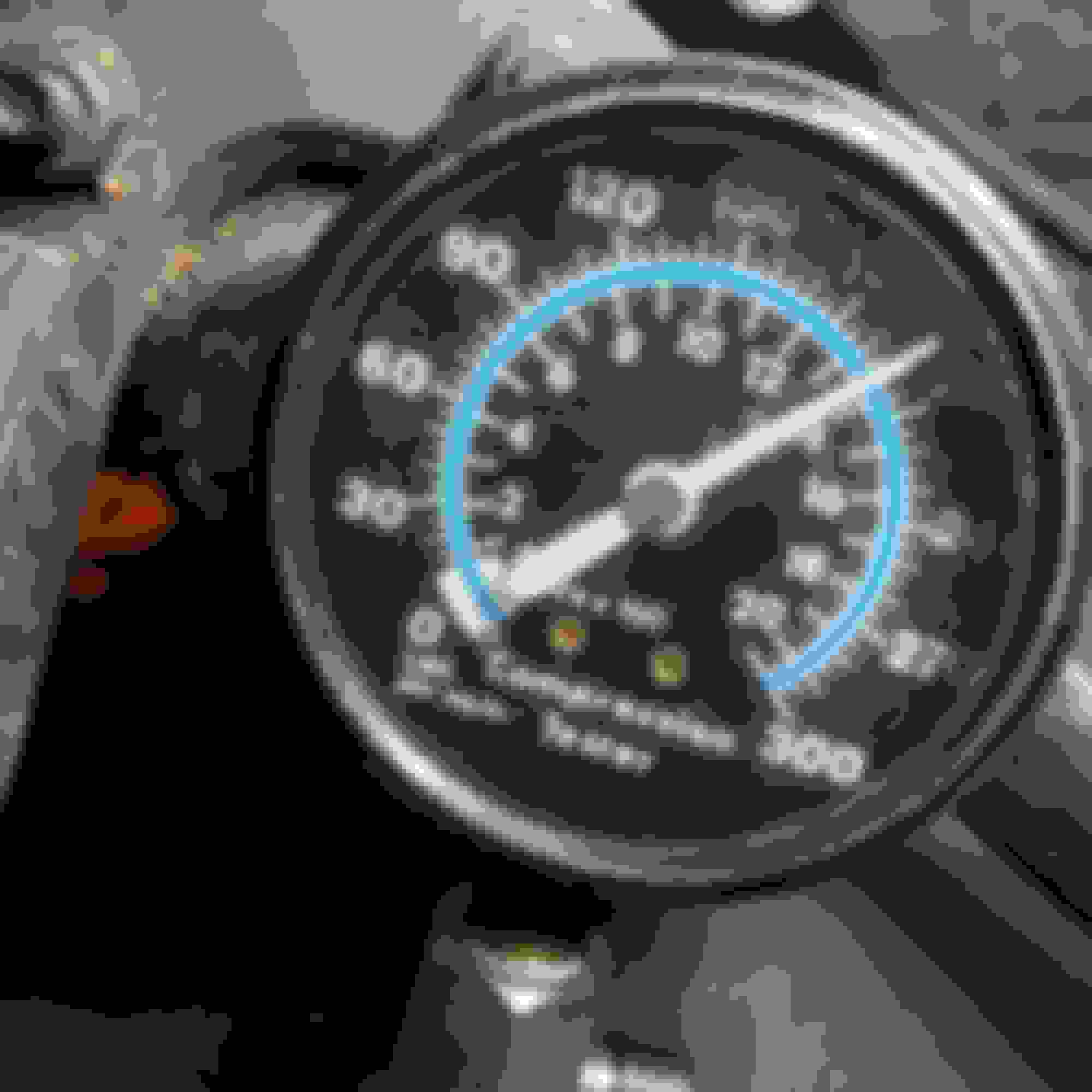
Single plane out performing the dual plane across the whole RPM range on a 350 is NOT happening. If you are starting a pull at perhaps 3,500 rpm on a healthy 383 I could see the single plane doing as you claim, lock the converter and start the pull at 1,500 rpm, not a chance in the world the single plane is doing better. I pulled a single plane off and put a dual plane in its place and instantly had a lot more torque with nothing else changed. Off-Idle to 4,000+ RPM it is a completely different engine and even flash stalls the same converter to a higher rpm. With a TH400 and a 3.08 gear the torque was a welcomed addition. I have both manifolds and have run both, not like I have a dozen of the dual plane manifolds I am trying to sell someone either. I am going to a single plane on a 383 but that is a different story entirely and for a different reason. I am purposely trying to kill off some low-midrange cylinder pressure in that setup. This is what it cranks with the other 7 plugs still in it even after removing the Rhoads V-Max lifters it had in it. The new cam going into this engine also has a later IVC. I moved from an area that had cheap, plentiful E70 testing E85 to one that 91+ is $4.00/gal. My goal is to be able to run 89 at most.
So you're going to believe your van doing a one wheel peel burnout vs actual Dyno numbers?
That's hilarious.
I won't even waste my time posting the printouts for each intake then.
So you're going to believe your van doing a one wheel peel burnout vs actual Dyno numbers?
That's hilarious.
I won't even waste my time posting the printouts for each intake then.
I appreciate your posting. Your data makes sense...and, it's, you know....real, objective DATA. ^That's^ been my position also. It's absurd. I'd love the see the print outs, if you're interested in posting. I'm doing a similar test HERE, but w/different intakes and on a stockish 350, if you're interested in reading.
I'm 80% tempted to test this POS iron marine "7000 RPM" intake that I have, just to show that it DOESN'T make more power and tq than all of the other, single plane LTR intakes that I've already tested. It's pretty pointless, though. We already know that the marine dual plane is perfect for it's application; a boat....anchor. OEM's didn't go through the expense, effort etc. to designing newer, single plane intakes, to lose power and tq!
So you're going to believe your van doing a one wheel peel burnout vs actual Dyno numbers?
That's hilarious.
I won't even waste my time posting the printouts for each intake then.
I have literally had it on the dyno multiple times as well.
Literally been stated but for some reason Tom is the one that thinks I am judging on an open differential burnout length. I have run sub 2.00s 60' times with open differential too many times to count. This was literally a 0-60 stalling against the converter a bit, do you hear me burning tires, no. It was over 1 full second quicker with the dual plane and thorley tri-ys than it was with the Projection 4150 single plane and Hooker iron manifolds. Both the headers and dual plane decreased the timed acceleration times as well. It is even quicker now that I have ditched the Proflow ECM and went to a P59 that I tuned on a speed density custom operating system. The larger 454 air cleaner and ducting I put on it stopped the intake vacuum buildup at higher rpm as well and roughly halfed the WOT vacuum I saw in this pull. That added power as well. The tuned P59 and 454 air cleaner are literally the only changes I have not had it back on the dyno for.
https://youtu.be/UjEKGehu1M8?si=aEYoM0_ZrE3dFjR6
I have also posted 2 additional dual plane MPFI manifolds dyno graphs that were also on an actual dyno and made more torque. So it is not just me or this intake that worked better.
I am still interested in how injection timing added 60+ ft/lbs when I have never seen it change power at all when the AFR was corrected after the injection timing change. I am more interested in the injection timing because I too am about to swap a single plane on my 383. Hell for science I would go back to the Proflow 4150 manifold on this and play with the injection timing on the P59 as well if it made more power than the dual plane. 60 ft/lbs is more than the dual plane gained compared to the Proflow 4150 single plane.
The spare parts shop cleanout built L31 350 is running stronger than ever with the Merc dual plane MPFI intake. Performance wise, I need to play with TH400s governor to get it shifting 5,500-6K rather than 4,500 but it still has a ton of torque so I really have not messed with it just driven it. I took the mechanical fan off earlier this summer and put a Summit Racing bargain cave Flexalite 4,600 cfm dual fan setup on it I got for $150 new in box. Then I recently wired a WOT ac cutoff relay tied into the TH400s kickdown switch to shut down the AC compressor at WOT like every modern vehicle. The AC shutoff made more of a difference than the electric fans and I like that it is fully automatic. Mash the pedal, ac shuts off, let of the pedal to cruise and it instantly comes back on. Simple and cheap to do since it already had the TH400 WOT kickdown switch I added when I took the TBI ECM out of the van and only cost me a weather pack 5 pin relay and a little time to do. Still running the stock GM built 100K mile TH400, stock torque converter and factory GU4 3.08 rear with P275/60R15s on the rear. I tried launching just above idle at 1,200-1,500 rpm. It could stand to have some Caltrac like traction bar help. I have a freshly built GM 8.5 10-bolt from a 92 van with stronger 30 spline rear axles, aluminum cover with main cap stabilization bolts, Impala SS rear disc brakes, a 3.73 gear, a detroit tru-trac and a 4L80E with a Pheonix transmission (the real guys in Weatherford, TX) 10.5" diameter 3,000 rpm converter, and a 1 piece 5" aluminum factory G-van 4L80E driveshaft to swap into this in the near future. I will be swapping the 350 to 24x coil near plug using a GM P59 PCM at the same time. I know gear, converter, traction, 24x ignition and better PCM tuning will make a huge difference.
Mercruiser dual plane dyno, same truck in post 38. 1998 K1500, 4L80E transmission, NP243 4x4 transfer case, 9.5" semifloat 14 bolt with 4.10s, heavy 33" tires, still rocking the clutch fan so the driveline is eating a ton of power yet it is still making good horseower and great torque numbers. Torque peak at 3,041 rpm, power peak at 5,301 yet carried within 10 whp of peak all the way out to 6K. It has nearly out of the box Skip White 60cc chamber aluminum heads on it and a fairly mild Howards hydraulic roller cam. Given a low mileage basically stock 1998 K2500 with a 5.7L (2.5" catback dual exhaust on it but was doing basically nothing with the restrictive OE cats still in place), I have seen dyno'd made 173 whp and 240-250 wtq on Dynojet. That makes for a 32% drivetrain loss in HP through the same driveline from its 255hp crank rating, this one is making atleast ~440 hp at the crank. Little small block with Chinese aluminum head castings is making atleast ~440 hp @ 5,300 rpm with a dual plane. This truck has the aluminum version of the Merc dual plane intake on it and a 92mm LS 4 bolt throttle body. At 12.5:1 afr it is eating nearly 500 hp worth of fuel from the injectors which leads me to believe it is actually quite a bit stronger than the numbers above. I have been on Mustang and Dynojets enough to know the Mustang dyno reads 10% lower. 330 whp on a Dynojet at the same 32% loss, puts it more in the 485 hp range the fuel system is delivering to it to maintain 12.5:1 AFR. It has 40# injectors running around 70% duty cycle on 91 pump gas. Same truck would put down ~330 whp on a Dynojet, which it will be on soon because the owner wants to know what it compares power wise to all the far more common Dynojet graphs.
Dual plane MPFI manifold, Edelbrock elbow, 92mm Fitech TB, 4" CAI using a Volant sealed airbox.