


gauge cluster! Help!


Thread Starter
Junior Member
Joined: May 2014
Posts: 9
Likes: 0
gauge cluster! Help!
I have a 91 z28 5.7
I'm currently doing a restoration, and now I'm at the gauge cluster.
To be short...Speed/tachometer doesn't work, fuel goes from 1/2 to full only and not below 1/2 tank. The RPM is everywhere, even when running straight and the oil gauge shows 0 even with new oil/no leaks.
Question, what is the best way to fix this? Change entire cluster?....clusters are really high, I can get a nice deal on 88 iroc z cluster...would this work? What should I do, to get this working the most cost efficient way...I would rather put money in other places on the car....
I'm currently doing a restoration, and now I'm at the gauge cluster.
To be short...Speed/tachometer doesn't work, fuel goes from 1/2 to full only and not below 1/2 tank. The RPM is everywhere, even when running straight and the oil gauge shows 0 even with new oil/no leaks.
Question, what is the best way to fix this? Change entire cluster?....clusters are really high, I can get a nice deal on 88 iroc z cluster...would this work? What should I do, to get this working the most cost efficient way...I would rather put money in other places on the car....

Supreme Member
Joined: Jun 2011
Posts: 2,036
Likes: 6
From: knoxville tn
Car: 86 IROC
Engine: 5.0 TPI
Transmission: 700-R-4
Axle/Gears: 2.73 open
Re: gauge cluster! Help!
I have a 91 z28 5.7
I'm currently doing a restoration, and now I'm at the gauge cluster.
To be short...Speed/tachometer doesn't work, fuel goes from 1/2 to full only and not below 1/2 tank. The RPM is everywhere, even when running straight and the oil gauge shows 0 even with new oil/no leaks.
Question, what is the best way to fix this? Change entire cluster?....clusters are really high, I can get a nice deal on 88 iroc z cluster...would this work? What should I do, to get this working the most cost efficient way...I would rather put money in other places on the car....
I'm currently doing a restoration, and now I'm at the gauge cluster.
To be short...Speed/tachometer doesn't work, fuel goes from 1/2 to full only and not below 1/2 tank. The RPM is everywhere, even when running straight and the oil gauge shows 0 even with new oil/no leaks.
Question, what is the best way to fix this? Change entire cluster?....clusters are really high, I can get a nice deal on 88 iroc z cluster...would this work? What should I do, to get this working the most cost efficient way...I would rather put money in other places on the car....

Member
Joined: Mar 2013
Posts: 325
Likes: 0
From: gladstone
Car: 72 nova/ 90 camaro rs,04 suburban
Engine: blown 327/ 355/306/355/5.3
Transmission: muncie 4 speed/T5/powerglide,4l80e
Axle/Gears: 342/411/456/ moser axles

Supreme Member
iTrader: (2)
Joined: Sep 2009
Posts: 1,591
Likes: 5
From: WI.
Car: 1987 iroc
Engine: 383 TPIS intake, Dyno Don headers
Transmission: 700R4 w/Pro-built Auto/transgo 2-3
Axle/Gears: 3.27/3.70 borg warner 9 bolt
Re: gauge cluster! Help!
Make sure all your grounds are good. Maybe you have dirty, or corroded connections.
Supreme Member
Joined: Jun 2011
Posts: 2,036
Likes: 6
From: knoxville tn
Car: 86 IROC
Engine: 5.0 TPI
Transmission: 700-R-4
Axle/Gears: 2.73 open

Supreme Member
Joined: Jan 2006
Posts: 3,341
Likes: 12
From: Mooresville NC
Car: LOWERED ♦ CRIMSON METALFLAKE
Engine: ► 400 KUBES ◄
Transmission: 765R4
Axle/Gears: EATON POSI 4.56
Dash 4 cash
Here’s how to test the fuel gage.
Remove the sender wire going to the gage.
Tape the bare end of the sender wire and put it aside.
Use a potentiometer with a value of 100Ω or the closest you can find.
Connect one end the potentiometer to the gage from the location you removed the sender.
Connect the wiper of the potentiometer to ground.
Turn the key to RUN.
Slowly adjust the potentiometer from 0Ω to 90Ω.
If the gage is bad it will exhibit the problem you have.
If the gage is good it will display a smooth transition from one end of it’s range to the other.
Therefore the problem is with the sender or wiring going to it.
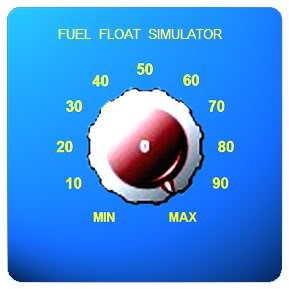
You can use a loose potentiometer, or you can throw together a quick little panel like this one.
There is circuitry in the dash near the tach.
It’s contained on a small plug-in PCB or integrated in the main board.
On or near the PCB you’ll see a capacitor, replace it.
Also on the PCB you’ll see a resistor chip.
Desolder pins 4 & 10.
Use a 500K potentiometer.
Solder it across traces 4 & 10.
Move the potentiometer to half way.
Start the engine and compare the tach reading with a test equipment quality tach.
Dial it in, unsolder the potentiometer, measure it and install a matching resistor.
▬▬▬▬▬▬▬▬▬▬▬▬▬▬▬▬▬▬▬▬▬▬▬▬▬▬▬▬▬▬▬▬▬▬▬▬
SPEEDOMETER:
Gain access to the buffer which looks like this:
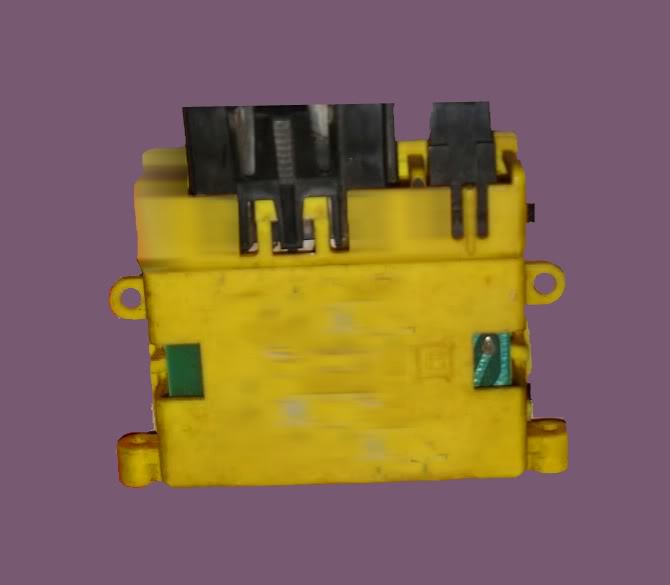
It’s located behind the instrument panel at the right.
Connect an audio amplifier to terminal A yellow wire to make sure it’s getting a steady signal.
Ground to ground, the signal wire to terminal A yellow wire of the VSS.
With the car on jackstands listed for a hum from the amplifier when the rear wheels are rotating.
If you do, then find out if you get a hum from terminal C tan wire.
The tan wire then goes to the speedometer unit.
If it gets to the speedometer but the speedometer does not work, have it repaired or replace the unit.
◙◙◙◙◙◙◙◙◙◙◙◙◙◙◙
Happy Racing !
◙◙◙◙◙◙◙◙◙◙◙◙◙◙◙
8 Wheels Corner Better Than 4, If You’re On The Outside You Have Fair Warning
Remove the sender wire going to the gage.
Tape the bare end of the sender wire and put it aside.
Use a potentiometer with a value of 100Ω or the closest you can find.
Connect one end the potentiometer to the gage from the location you removed the sender.
Connect the wiper of the potentiometer to ground.
Turn the key to RUN.
Slowly adjust the potentiometer from 0Ω to 90Ω.
If the gage is bad it will exhibit the problem you have.
If the gage is good it will display a smooth transition from one end of it’s range to the other.
Therefore the problem is with the sender or wiring going to it.
You can use a loose potentiometer, or you can throw together a quick little panel like this one.
Originally Posted by 91zswhitt
The RPM is everywhere
It’s contained on a small plug-in PCB or integrated in the main board.
On or near the PCB you’ll see a capacitor, replace it.
Also on the PCB you’ll see a resistor chip.
Desolder pins 4 & 10.
Use a 500K potentiometer.
Solder it across traces 4 & 10.
Move the potentiometer to half way.
Start the engine and compare the tach reading with a test equipment quality tach.
Dial it in, unsolder the potentiometer, measure it and install a matching resistor.
▬▬▬▬▬▬▬▬▬▬▬▬▬▬▬▬▬▬▬▬▬▬▬▬▬▬▬▬▬▬▬▬▬▬▬▬
SPEEDOMETER:
Gain access to the buffer which looks like this:
It’s located behind the instrument panel at the right.
Connect an audio amplifier to terminal A yellow wire to make sure it’s getting a steady signal.
Ground to ground, the signal wire to terminal A yellow wire of the VSS.
With the car on jackstands listed for a hum from the amplifier when the rear wheels are rotating.
If you do, then find out if you get a hum from terminal C tan wire.
The tan wire then goes to the speedometer unit.
If it gets to the speedometer but the speedometer does not work, have it repaired or replace the unit.
◙◙◙◙◙◙◙◙◙◙◙◙◙◙◙
Happy Racing !
◙◙◙◙◙◙◙◙◙◙◙◙◙◙◙
8 Wheels Corner Better Than 4, If You’re On The Outside You Have Fair Warning

Trending Topics

Member
iTrader: (2)
Joined: Sep 2006
Posts: 340
Likes: 1
From: Fort Hood, Texas
Car: 1991 Camaro Z28
Engine: 2002 SS LS1
Transmission: 6 speed
Axle/Gears: Auburn 3.42

Thread
Thread Starter
Forum
Replies
Last Post